Earn Money Transcribing Audio and Video Files From Home
Getting Started as a Freelance Audio and Video Transcriber
You know that feeling when you're eavesdropping on a conversation at a coffee shop and your brain just starts mapping out every word? That's basically the starting line for a freelance transcription career, but honestly, it’s less about just typing fast and more about how your brain handles the noise. I was looking into some recent data, and it turns out professional transcribers actually develop these cool neural links between their ears and fingers that let them process speech about 30% faster than everyone else. But look, let’s be real: in 2026, you aren't usually starting from a blank page because AI handles the first pass now. Your job is more like a high-stakes editor, jumping into the AI-correction niche to fix that stubborn
Maximizing Efficiency with AI-Powered Transcription Assistance
I’ve spent way too many hours squinting at my screen and rewinding audio just to figure out who said what in a messy boardroom meeting. But things have changed fast, and honestly, the newest transformer models have basically solved that headache by bringing speaker error rates down below five percent. We're looking at context windows that span thousands of tokens now, which is just a fancy way of saying the AI remembers the start of the sentence well enough to nail the punctuation at the end. It feels less like a struggle and more like you’re just the director of a very smart robot. Here’s a weird quirk I noticed in the data: if you crank the noise reduction too high, the AI starts hallucinating "ums" and "uhs" because it thinks the silence is a person stuttering. The real time-saver, though, is how these tools now use real-time API lookups to check if a proper noun is a local coffee shop or a massive global corporation. I’m not kidding when I say that little trick alone saves me about twelve minutes of frantic Googling every single hour of audio. And it’s those tiny wins that actually let you finish your work before the sun goes down. Then there’s the time-stamping, which used to be my personal version of hell, but now it’s handled with sub-second accuracy by the software stack itself. I've found that while the tech handles accents like a pro, it still trips up on hyper-specific medical jargon, so don't throw away your dictionary just yet. The biggest shift for me isn't just the speed; it’s that my brain doesn't feel like mush after a long session because the cognitive load is way lower. So, let’s pause for a moment and look at how you can actually set these tools up to do the heavy lifting while you focus on the final polish.
Understanding Pay Rates and Potential Earnings per Audio Hour
Let's talk about the elephant in the room: that "$20 per audio hour" headline you see on job boards isn't exactly what hits your bank account at the end of the week. It's easy to get excited, but the reality is that one hour of audio usually takes anywhere from three to six hours of actual, focused work to finish. If you're doing the math, that means a $15 audio hour could leave you grinding for what feels like a measly $3 an hour if the recording is messy or the speakers keep over-talking. And honestly, the quality of the file changes everything; I've seen earnings drop by 400% just because a microphone was placed too far from the person speaking. But look, there's a way around those bottom-tier rates, and it usually involves getting hyper-specific with legal or medical niches. I’m not sure why more people don’t jump on this, but grabbing a certification like the RMT can instantly bump your take-home pay by about 40% because you're no longer just typing—you're translating specialized jargon. Think about it this way: spending a few hundred bucks on a solid foot pedal and noise-canceling headphones isn't just a luxury; it's a 25% raise in disguise because you're finishing files so much faster. We also have to factor in the platforms themselves, which often take a bite—sometimes up to 35%—out of your gross earnings before you even see a dime. Now, the game has shifted toward AI-correction work, which pays maybe 20% less per audio hour but lets you fly through the volume much faster than manual typing. You also have to realize that where you live matters more than it should, as some platforms still scale their pay based on local economic metrics, leading to huge pay gaps for the same quality of work. I've realized that the most successful people in this space don't just hunt for the highest headline rate; they hunt for the cleanest audio and the most reliable AI-ready workflows. So, before you sign up, let’s look at your actual net potential so you don’t end up working for pennies while the platform takes the lion's share.
Essential Equipment and Skills for a Successful Remote Career
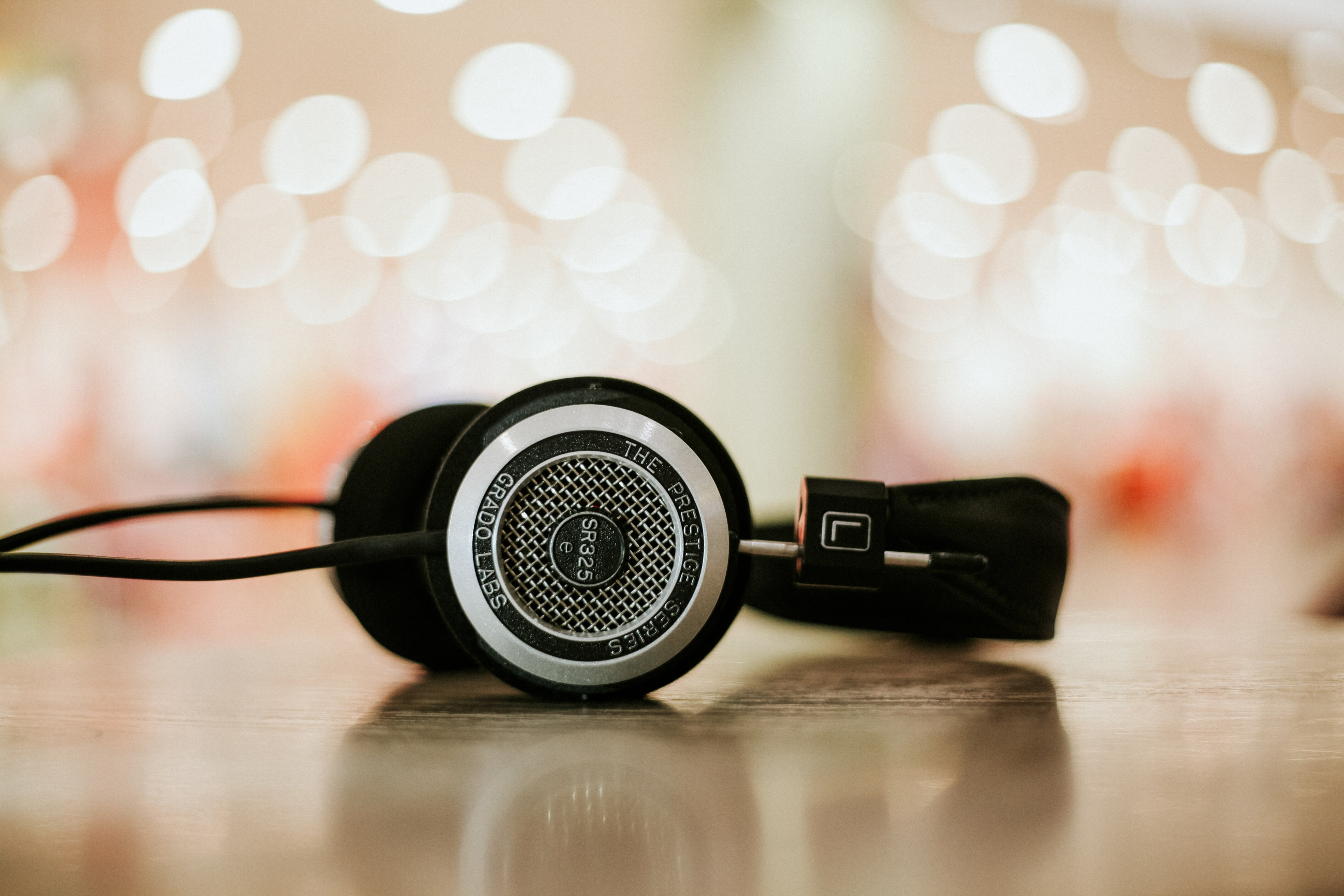
Okay, so we’ve talked about finding the work, but that kind of falls apart if your setup isn't right, doesn't it? Honestly, you can't just rely on the cheap earbuds you use to listen to podcasts; I'm seeing data that says high-quality, noise-canceling headphones—the ones that actually block out everything—can cut down on how mentally drained you feel by nearly twenty percent because your brain isn't fighting the coffee shop chatter anymore. Then there’s the foot pedal thing; look, I know it seems like an extra gadget you don't need, but people who use those dedicated transcription pedals actually speed up by about 25% because they aren't constantly moving their hand to hit the spacebar to pause. And while the AI is doing the heavy lifting now, turning that rough draft into something a client will actually pay for is where you earn your money; that means mastering the style guides—I hear that accounts for like sixty percent of the final quality score, which is huge. If your source audio is bad, meaning the signal-to-noise ratio dips below, say, 15dB, forget about speed, because you're entering that 400% longer correction zone that kills your hourly rate. You also can’t ignore the software ecosystem; the best platforms use predictive text that’s pretty solid, but your real edge comes from knowing those specific niches, like medical jargon, because a simple certification can immediately net you a forty percent pay bump. Just remember that whatever rate you see advertised, the platform is taking its cut—sometimes as high as thirty-five percent—so you have to factor that fee right into your planning before you even accept the job. My take? Treat this like a real small business setup, not just a side hustle you do while watching TV, because the right gear and the right focus are what keep you from burning out before you hit your income goal.
More Posts from transcribethis.io:
- →New Podcast Design Studio and Personal Services Launch at Podcast Websites
- →DPG Media enhances video metadata using Amazon Transcribe and Bedrock AI pipelines
- →Effortlessly Convert Your Audio to Accurate Text
- →ModernBERT delivers the most accurate sentiment analysis for transcription data
- →The Secret SEO Power of Transcribing Your Videos
- →Master Podcast Categories In 2024 And Get Discovered